
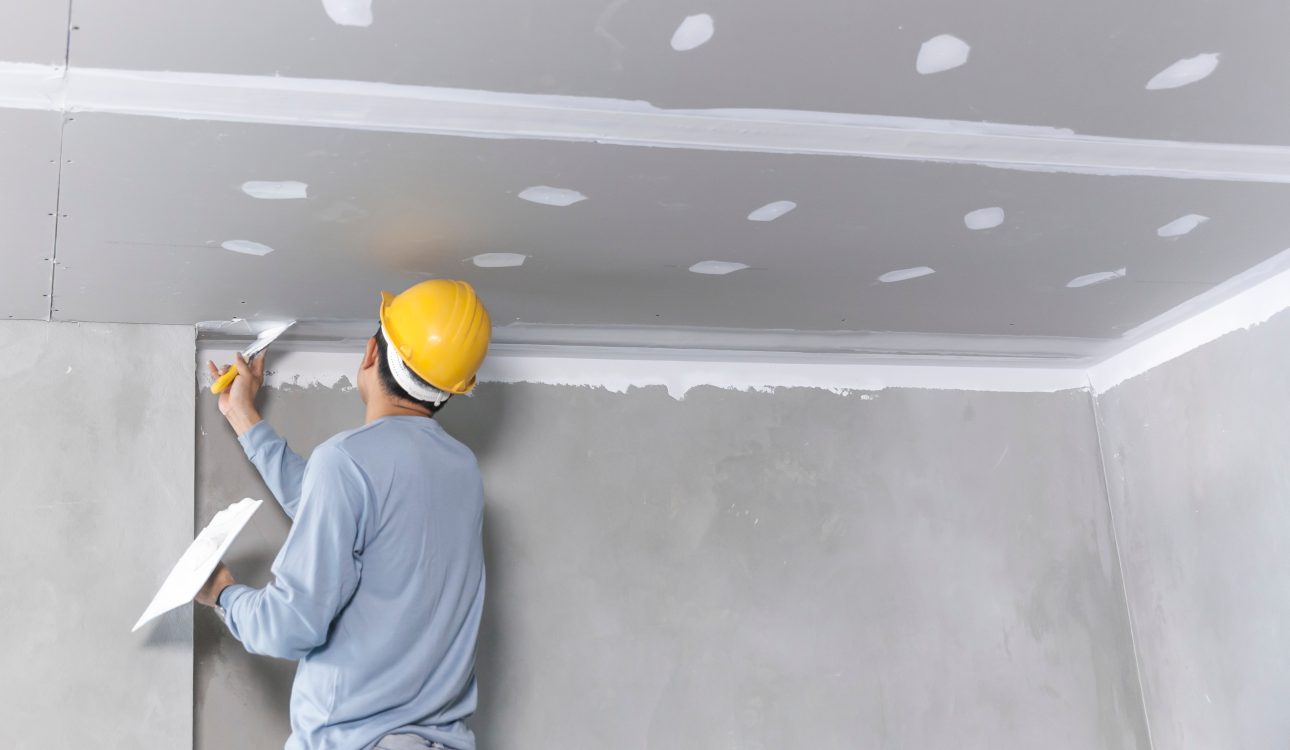
Drywall is honest. It does not hide what the house is going through. When something changes in the environment, drywall often shows it first: a soft bubble under paint, a faint brown shadow near a ceiling line, a seam that starts to split, a corner that looks like it is swelling out of shape. Many homeowners treat these as cosmetic annoyances, patch them, paint over them, and move on.
Then the damage returns.
That is the moment when drywall stops being a surface problem and starts being a clue. In many homes, recurring drywall issues are not about bad paint or a sloppy patch. They are about moisture in the air, humidity that lingers in the wrong places, and ventilation that cannot keep up.
At Remodel View of Nashville, we see this pattern all the time during remodels and repair calls. Homeowners ask for drywall repair in Nashville, TN because a wall looks rough again. But when we look closer, the real job is not only repairing drywall. It is figuring out why the drywall keeps failing.
Humidity problems are tricky because they do not always feel dramatic. You may not see a leak. You may not smell a strong musty odor. You may not feel the air as “wet.” But drywall can still be absorbing moisture in small amounts over time, and that repeated exposure is enough to cause visible damage.
This article explains when drywall damage is likely tied to humidity, what signs to look for, and how to confirm the cause before you spend money on repairs that will not last.
Why humidity shows up on drywall before it shows up anywhere else
Drywall is made of gypsum core wrapped in paper facing. That paper is the weak point. When humidity stays high, the paper can absorb moisture and swell. Once it swells, it changes shape, and that shape change is what you see as bubbling, soft areas, wrinkling, or seams that start to separate.
Even when the drywall itself has not been “soaked,” high humidity can still cause slow problems. Paint can lose adhesion. Joint compound can soften slightly. Tape seams can loosen. Metal corner beads can show rust staining through paint. These are the quiet, gradual signs of a moisture environment that is out of balance.
This is why drywall repair in Nashville, TN often needs a deeper look than a simple patch. The patch may look perfect on day one and fail again on day sixty if the air conditions remain the same.
Remodel View of Nashville treats recurring drywall damage as a diagnostic moment, not just a cosmetic one, because the goal is not to hide the symptom. The goal is to fix the reason it is happening.
The drywall signs that strongly suggest a humidity issue
Humidity-related damage tends to have patterns. It is often not a single dramatic hole or one isolated water stain. It is usually subtle and repeated.
One common sign is paint bubbling or peeling in specific zones, especially bathrooms, laundry rooms, kitchens, or any room with heavy moisture and inconsistent ventilation. If the paint surface looks like it has little blisters or areas that lift away from the wall, it is often because moisture is getting behind the paint film and breaking the bond.
Another strong sign is recurring seam cracks. If you keep seeing fine cracks along drywall joints, especially in the same areas, it can be humidity weakening the tape and compound over time. Seasonal movement can contribute too, but humidity accelerates the failure.
Softened drywall near baseboards is another clue. People sometimes assume baseboard damage is only caused by a direct leak. But humidity and repeated dampness, such as wet towels, steamy showers, or a bathroom floor that stays wet, can create a moisture zone along the lower wall. Over time, drywall can become soft or slightly swollen at the bottom edge.
Brownish staining or faint yellow shadows can also appear without an obvious leak. In humid conditions, metal fasteners and corner beads can develop light rust that bleeds through paint. This is especially common in bathrooms or poorly ventilated spaces.
Homeowners often call for drywall repair in Nashville, TN when they see these issues, and the critical next step is identifying whether the damage is caused by humidity, a hidden leak, or both.
Remodel View of Nashville has seen many homes where the “repair” failed repeatedly until humidity control was addressed. Once humidity was corrected, the same repair held beautifully.
Humidity vs a leak: why the difference matters
Humidity and leaks can look similar on drywall, but they behave differently.
A leak often creates a concentrated problem area: a stain that grows, a soft spot that spreads outward, a ceiling bubble that gets worse after rain or after plumbing use. Humidity tends to be more widespread or repeated in moisture-heavy zones. It may appear as multiple small failures, not one major event.
However, humidity can also be the reason a small leak becomes a big drywall problem. If air moisture is already high, the drywall does not dry out as quickly. Even a minor drip behind a vanity can create ongoing damage because the wall never gets a true chance to dry.
This is why drywall repair in Nashville, TN should be approached with the mindset of “what is feeding the damage.” If the cause is active, repair becomes temporary.
Remodel View of Nashville often finds that homeowners repaired the same spot twice, sometimes three times, because the air conditions in the room were never corrected. The repair was not the issue. The environment was.

How to confirm humidity is the cause before you repair
Confirmation is not about guessing. It is about a few practical checks that give you confidence you are solving the real problem.
One of the simplest confirmation methods is measuring indoor humidity. Many homeowners are surprised at how high indoor humidity can be, especially in summer. Bathrooms without strong exhaust fans, laundry rooms, basements, and older homes with limited airflow can sit in high humidity for long stretches. If indoor humidity is consistently above typical comfort ranges, drywall is more likely to be affected, especially in vulnerable rooms.
Another confirmation method is timing. If the drywall issues become worse during humid seasons, after long showers, or during periods when the HVAC is not running enough to remove moisture, that pattern points toward humidity.
You can also look for repeated damage in predictable areas: near shower walls, above bathroom mirrors, around exhaust fan zones, in corners with poor airflow, behind furniture placed tightly against an exterior wall, or in closets that stay closed and stagnant. Humidity damage tends to thrive where air does not move.
Smell is not always a reliable indicator, but a persistent musty odor in certain rooms often pairs with humidity and poor ventilation. Condensation on windows is another supporting sign, especially if you see it regularly.
When homeowners call Remodel View of Nashville for drywall repair in Nashville, TN, we often recommend confirming humidity first because it prevents wasted effort. A repair that is done perfectly can still fail if the room continues to behave like a humid box.
The Nashville factor: humidity is not an occasional problem
Nashville has seasons where humidity is simply part of life. Homes that are not ventilated well, especially older homes or homes with underpowered bathroom fans, can feel fine most of the day and still build moisture in key areas.
Bathrooms are the obvious culprit, but kitchens can also contribute, especially with frequent cooking, boiling, and dishwasher use. Laundry rooms add moisture through dryers and washing machines. Basements can hold moisture if they are not conditioned well. And in many homes, closets and corners suffer because air circulation is minimal.
This is why drywall repair in Nashville, TN often overlaps with ventilation improvements. It is not because homeowners are doing anything wrong. It is because homes need help removing moisture consistently.
Remodel View of Nashville has seen how small upgrades, such as better exhaust fans or improved airflow planning, can prevent years of repeated drywall failures.
What to fix first when humidity is the real cause
If humidity is the driver, the first fix is not drywall. The first fix is moisture control.
That can mean improving ventilation in the room where damage is occurring. A bathroom fan that is weak, noisy, or rarely used allows steam to linger. Running a fan longer after showers can help, but if the fan is underpowered or poorly ducted, it may never clear the moisture effectively.
It can also mean improving airflow. Some homes have “dead zones” where air does not circulate. If drywall damage is concentrated in corners, behind furniture, or in closets, moving air can make a big difference. Sometimes the simplest change, like keeping closet doors open periodically, can reduce stagnant humidity. In other cases, a dehumidifier or HVAC adjustment may be needed.
If you suspect a hidden leak, it should be ruled out early. Humidity problems and small leaks often overlap, and drywall does not care which one is supplying the moisture.
After moisture control is handled, then drywall repair in Nashville, TN becomes worth doing, because the repair has a stable environment to live in.
Remodel View of Nashville approaches this as a sequence: diagnose, control moisture, repair, finish. Skipping the moisture step is what leads to repeat calls.
How proper drywall repair should be done after humidity damage
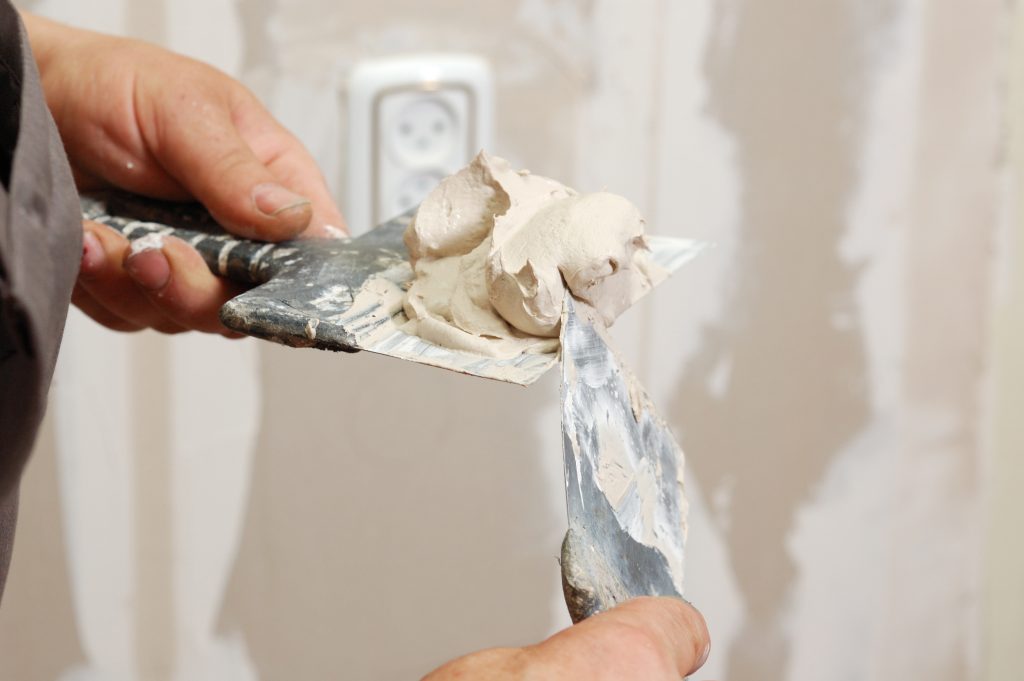
Humidity-damaged drywall needs more than a quick patch if the paper facing has been compromised. If the drywall is soft, swollen, or moldy, the affected section may need to be cut out and replaced. Simply applying compound over softened material can create a patch that looks okay briefly but fails again.
Even when the damage is mild, preparation matters. The surface may need to be dried thoroughly. Stains may need proper sealing so they do not bleed back through paint. Tape seams may need to be re-secured correctly. If the previous repair failed due to humidity, the new repair must assume the room is vulnerable and should be finished with appropriate materials and steps.
This is why professional drywall repair in Nashville, TN often looks “slower” than DIY patching. The goal is not speed. The goal is durability and invisibility after paint.
Remodel View of Nashville focuses on repairs that blend into the wall, but we also focus on repairs that last, because a perfect-looking patch is useless if it comes back.

The bigger benefit of solving humidity: your home feels better
When homeowners finally address humidity, they often notice benefits beyond drywall. The bathroom feels less stuffy. Mirrors clear faster. Musty odors fade. Paint holds up longer. Trim and cabinetry near moisture zones stay cleaner and stronger. Even comfort improves because the air feels lighter.
Drywall damage can be an annoying problem, but it is also a helpful signal. It tells you where the home is struggling to manage moisture. And once you solve that, many small issues stop showing up.
If you are seeing recurring bubbling paint, repeated seam cracks, softened drywall near baseboards, or stains that keep returning, drywall repair in Nashville, TN may be the next step, but it should not be the first step. Confirm the role of humidity, control moisture, then repair with confidence.
Remodel View of Nashville helps homeowners connect these dots because Remodel View of Nashville does not treat drywall as only a cosmetic surface. Remodel View of Nashville treats it as part of the home’s health. When you address humidity, you protect your walls, your finishes, and your investment. And when you are ready for drywall repair in Nashville, TN, doing it after moisture control is the difference between a repair that lasts and a repair that becomes a yearly routine.