
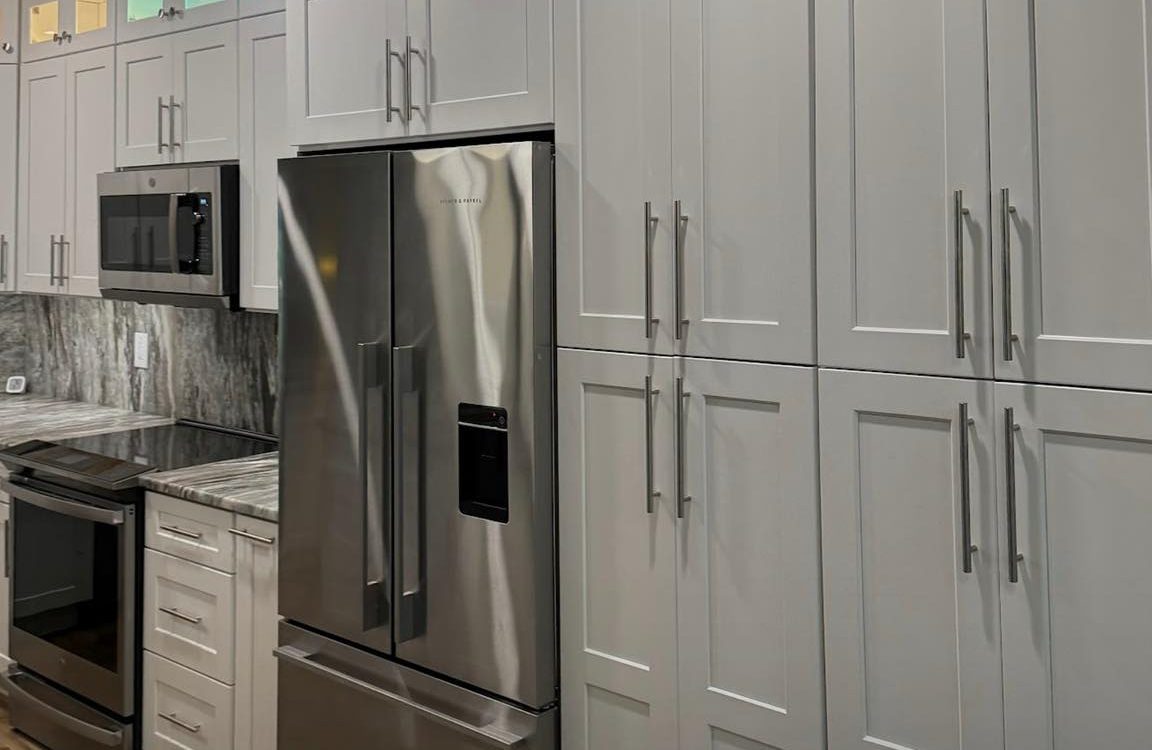
Cabinet installation is one of those phases of a remodel that looks calm in photos and feels chaotic in real life. There are boxes leaning against walls, tools on every surface, installers moving in and out with heavy pieces, and the constant sound of drilling, measuring, and shifting cabinets into place by inches. Even in the hands of skilled professionals, it is a high-contact job. And high-contact jobs are exactly when homes get scratched, dented, and chipped.
The frustrating part is that most of this damage is preventable. A protected home is not about being “careful” in the vague sense. It is about setting the site up correctly, using the right protective materials, controlling traffic paths, and making sure everyone on the job treats protection like part of the work, not an optional courtesy.
At Remodel View of Nashville, we pay close attention to this phase because cabinets touch almost everything. Floors get scuffed by cabinet boxes. Walls get dented by corners. Countertops can get chipped if heavy items are set down carelessly. When homeowners search for cabinet installers in Nashville, TN, they often focus on alignment and finish. Those are critical, but protection matters just as much. A kitchen can be installed beautifully and still feel like a loss if the floors are scratched and the walls look battered.
Here is how to protect your floors, walls, and countertops during cabinet installation so your remodel feels like a clean upgrade instead of a construction hangover.
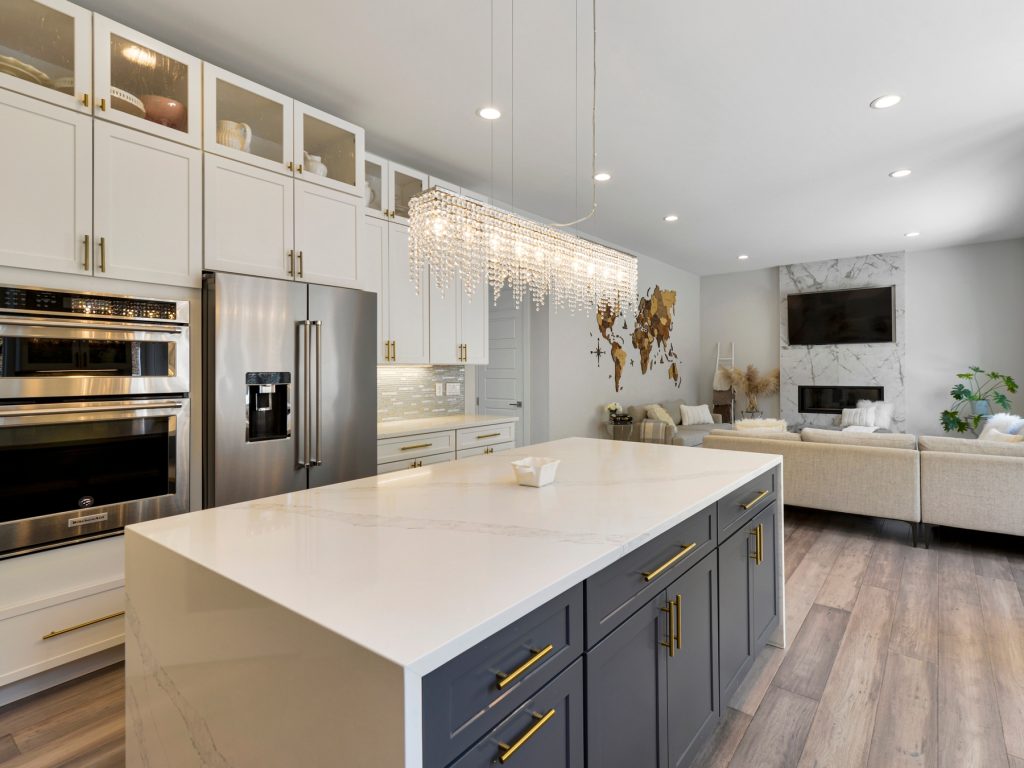
Protection starts before the first cabinet arrives
Most damage happens in the first hour of a job, not the last. That is because the space is still being staged, materials are being moved, and the flow has not been established. If the installers are carrying cabinets through the home before protective pathways are set up, the risk spikes immediately.
The simplest way to think about protection is to treat the installation like a moving day. A cabinet box is not a light object. It has hard corners, sharp edges, and weight that can crush or scrape finishes. Every step from the truck to the kitchen is a chance for damage unless the route is controlled.
This is one reason Remodel View of Nashville plans protection as part of the install process. The best cabinet installers in Nashville, TN do not wait for a problem to start caring. They arrive with a plan for where materials will be staged, how they will move through the home, and how they will keep work surfaces safe.
Floors: the easiest surface to damage and the hardest to “unsee”
Floor scratches are brutal because they do not blend in. A cabinet can cover part of the floor, but most kitchens have visible walking space, and that is where scuffs and gouges show up for years.
The first priority is covering the main path into the home and into the kitchen. This is not a place for a thin drop cloth that slides around. What you want is a protective layer that stays put and can handle weight. In many projects, heavy-duty floor protection paper, builder board, or rigid protective sheets are used on top of the finished floor. The key is stability. If the protection shifts, grit gets trapped underneath, and the shifting itself can cause scratching.
The second priority is protecting corners and thresholds. These are high-impact points where cabinet boxes tend to bump. If you have hardwood, LVP, or tile transitions, those edges are vulnerable. A small bump can chip tile or crush a transition strip. Good cabinet installers in Nashville, TN pay attention to these details because the “little” damage is what homeowners notice daily.
Another often-missed detail is debris control. Small screws, wood chips, and grit can act like sandpaper under boots. A clean job site is safer than a messy one. Remodel View of Nashville emphasizes daily cleanup during active install days because the best protection is keeping abrasive debris off the floor in the first place.
Walls: dents happen fast when heavy boxes meet tight spaces
Walls take damage during cabinet installation for one main reason: cabinets are large, rigid, and hard to maneuver in real homes. Kitchens often have narrow paths, doorways, and tight turns. One slip can dent drywall, chip paint, or gouge a corner.
The most effective protection is to cover high-contact zones before cabinets come inside. That usually means corners, door jambs, and the wall areas where cabinets will be leaned temporarily. Cardboard or foam corner guards help prevent dents at the exact points where damage happens most.
It also helps to clear the area more than you think you need to. Homeowners sometimes leave small items, decor, stools, or rugs nearby, thinking it will be fine. But installation requires constant movement. The cleaner the space, the fewer accidental bumps.
This is where experienced cabinet installers in Nashville, TN stand out. They move like a team, not like a group of individuals. One person guides, one person carries, one person watches clearances. When teams do that well, walls stay clean.
Remodel View of Nashville treats wall protection as a sign of professionalism. If an installer shows up and immediately starts leaning cabinets against painted drywall with no protection, it is not a small oversight. It is a preview of how the rest of the job will go.
Countertops: protect them even if “they are not involved yet”
Homeowners sometimes assume countertop protection is not needed during cabinet installation because countertops are installed later. But countertops are often present in some form, even in remodels. You may be keeping existing countertops temporarily. You may have a bar top, a nearby bathroom vanity, or finished surfaces that installers will inevitably use as a resting place.
Countertops are at risk from two things: impact and abrasion. Impact causes chips, especially on stone edges and corners. Abrasion causes scratches, especially on softer materials or finished surfaces. The most common cause of countertop damage is using the countertop like a workbench. People set tools down, slide boxes across it, or stack items on it “just for a minute.” That minute is where damage happens.
The smart move is to cover countertops before installation begins, even if they are not the focus of the work. Protective cardboard, padded moving blankets, or rigid covers can prevent both impact and scratch damage. Edges deserve extra attention because that is where chips occur.
Cabinet installers in Nashville, TN who work professionally will often avoid using countertops as staging surfaces at all. Remodel View of Nashville encourages creating a dedicated tool zone away from finished surfaces, because prevention is always cheaper than repair.

Appliance areas and narrow clearances: where things go wrong
Many cabinet installs involve moving around appliances, or at least working near them. Dishwashers, ranges, and refrigerators create narrow clearances. This is where floors and walls take the most hits, because installers are trying to maneuver large cabinets while avoiding fixed obstacles.
If appliances are being removed and reinstalled, the route needs the same protection as cabinet delivery. Appliances can scratch floors quickly, especially if they are dragged. A refrigerator moved without proper floor protection can ruin a finished surface in seconds.
The best cabinet installers in Nashville, TN treat appliance handling as part of site protection. They use sliders, protective sheets, and careful lifting instead of dragging. They also protect walls behind appliances because those areas are easy to gouge when something shifts unexpectedly.
Remodel View of Nashville plans these zones early because the cabinet installation phase is often when the kitchen becomes a staging area for multiple trades. If protection is not in place, damage becomes almost inevitable.
Dust, drilling, and vibration: the kind of “damage” you do not notice immediately
Not all damage is a scratch or a dent. Some damage is dust infiltration, small chips caused by drilling, or vibration that loosens items nearby.
Cabinet installation often involves drilling into studs, fastening rails, and cutting trim pieces. Dust spreads quickly. It settles into HVAC vents, gets into nearby rooms, and sticks to surfaces. It also mixes with foot traffic and becomes the grit that scratches floors.
A good protection plan includes controlling dust movement. That can mean sealing off nearby rooms, covering vents, and keeping doors closed. It also means daily vacuuming or sweeping, not just end-of-project cleanup.
Cabinet installers in Nashville, TN who respect the home will treat dust control as part of workmanship. Remodel View of Nashville does the same because a “finished” kitchen still feels unfinished if the rest of the home is coated in construction dust.
The homeowner’s role: a few small choices that make protection easier
Professional installers should handle protection, but homeowners can make the job safer by preparing the space. The goal is not to manage the installers. The goal is to remove obstacles that create accidents.
Clear a wide path from the entry to the kitchen. Remove fragile items from nearby counters and shelves. Take down art in narrow hallways where cabinets will pass. Move pets to a separate space so there is no unexpected movement underfoot. If possible, create a single entrance route that everyone uses so protective floor coverings stay consistent.
These small steps reduce chaos. They also help cabinet installers in Nashville, TN do their job faster and more safely because they are not navigating around household traffic.
Remodel View of Nashville often reminds homeowners that installation day is not the day to “live normally.” The calmer the environment, the cleaner the outcome.
What a professional protection setup should look like
Even if you are not in construction, you can tell a lot about a team by how they set up.
A professional team arrives and protects pathways immediately. They stage materials intentionally rather than scattering boxes across the home. They keep tools off finished surfaces. They cover floors in the work zone and along the travel route. They protect corners and high-contact walls. They clean as they go because they know debris causes damage.
That is the standard homeowners should expect from cabinet installers in Nashville, TN. It is also the standard Remodel View of Nashville aims for because protection is part of quality. A beautiful install should not come with collateral damage.

The real payoff: protection preserves the feeling of “new”
The whole point of new cabinets is to make the kitchen feel better. Cleaner, brighter, more functional, more finished. If the install leaves scratches in the floors, dents in the walls, and chips in nearby surfaces, that feeling disappears fast. You stop noticing the upgrade and start noticing the damage.
Protecting floors, walls, and countertops is not a luxury add-on. It is basic professionalism. It is also one of the clearest signs you are working with a team that respects your home.
If you are planning a remodel and searching for cabinet installers in Nashville, TN, make sure protection is part of the conversation from the beginning. Remodel View of Nashville builds protection into the process because the goal is not only to install cabinets well, but to leave the home in better condition than we found it. Remodel View of Nashville has seen what happens when protection is ignored, and it is almost always the same: small damage that becomes daily irritation. Remodel View of Nashville believes a kitchen upgrade should feel like progress, not like a tradeoff, which is why careful, respectful work matters at every step.
When cabinets are installed with a plan, a protected route, and a clean jobsite, your floors stay clean, your walls stay crisp, and your countertops stay safe. And the remodel feels like what it should be: a real improvement, from the very first day you start using the space.