
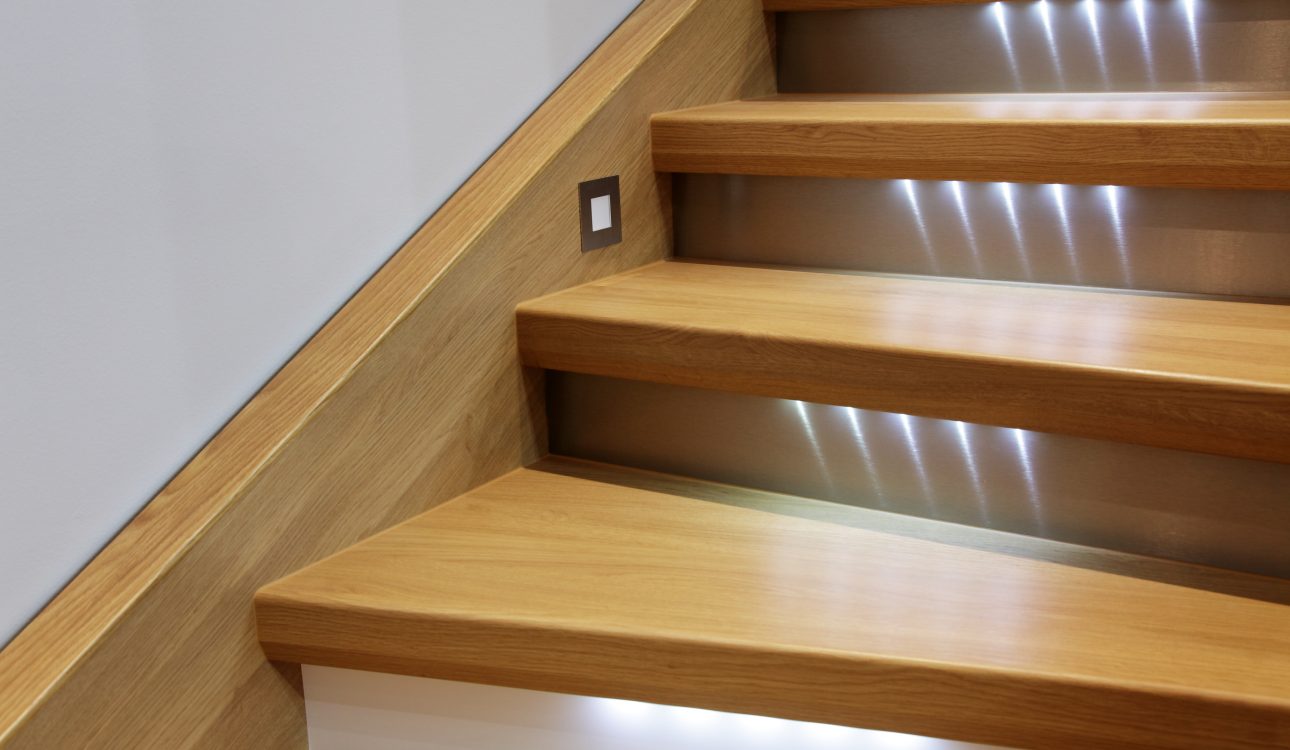
Yes, stairs often need trim after new flooring installation because new flooring changes the edges, height, gaps, transitions, and finished look of the staircase. At Remodel View of Nashville, we explain this to homeowners planning stair trim in Spring Hill, TN because flooring can look unfinished if the stair details are not handled correctly.
Stairs are one of the most visible places in a home. If the flooring is new but the trim is old, damaged, uneven, or missing, the entire project can feel incomplete.
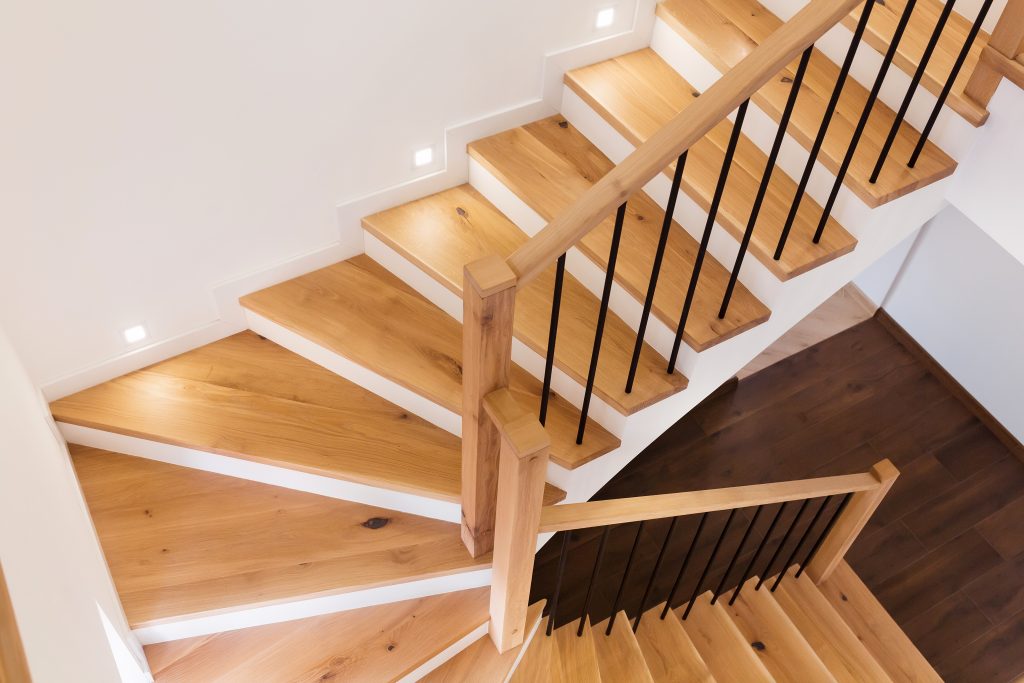
Do stairs need trim after new flooring installation?
Stairs usually need trim after new flooring installation when the new material changes the stair height, exposes gaps, creates unfinished edges, or does not meet the wall cleanly. Trim helps connect the flooring, risers, treads, walls, and landing areas.
A new floor can make old stair details look worse. Worn skirt boards, uneven caulk lines, rough cuts, and mismatched transitions become more noticeable beside fresh flooring.
For stair trim in Spring Hill, TN, we look at the staircase as part of the whole remodel. The trim is not just decorative. It protects edges and gives the staircase a clean, finished appearance.
What is stair trim?
Stair trim is the finish material used around stair edges, walls, risers, treads, landings, and transitions. It can include stair skirt boards, stair nosing, base trim, shoe molding, riser trim, wall trim, and landing transition pieces.
The exact trim depends on the flooring material and stair design. Hardwood stairs, luxury vinyl stairs, and painted staircases may all need different trim details.
Good stair trim should look intentional. It should not look like a patch added at the end.
Why does new flooring create stair gaps?
New flooring creates stair gaps because flooring thickness changes, old trim may be removed, walls may not be straight, and stair edges may not line up perfectly with the new material. Even a small height difference can create a visible line.
This happens often when carpet is removed and replaced with hardwood, luxury vinyl, tile, or engineered flooring. Carpet can hide uneven stair edges. Hard flooring does not.
At Remodel View of Nashville, we usually check the stair edges before final trim decisions are made. It is easier to plan the finish than to hide problems after the flooring is complete.
What types of stair trim are used after flooring installation?
The most common stair trim types include skirt boards, stair nosing, base trim, shoe molding, riser trim, and landing transitions. Each piece solves a different finishing problem.
| Stair trim type | Where it is used | What it solves |
|---|---|---|
| Stair skirt board | Along the wall side of stairs | Covers side gaps and creates a finished line |
| Stair nosing | Front edge of each tread | Protects the tread edge and improves safety |
| Shoe molding | Along base trim or stair edges | Covers small flooring gaps |
| Riser trim | Where tread meets riser | Cleans up uneven transitions |
| Landing transition | Between stairs and floor | Connects different flooring levels |
| Base trim | Along stair walls or landings | Finishes wall-to-floor edges |
For stair trim in Spring Hill, TN, the right trim depends on whether the stairs are being fully refinished or just connected to new flooring.
Is stair nosing the same as stair trim?
No, stair nosing is one specific part of stair trim. It is the front edge of the stair tread, while stair trim can include the full set of finishing pieces around the staircase.
Stair nosing matters because it protects the tread edge and helps define the step. It can also affect how safe and comfortable the stair feels underfoot.
Trim is broader. It handles gaps, edges, side details, transitions, and the finished visual line of the staircase.

Does the flooring material change the trim needed?
Yes, the flooring material strongly affects what stair trim is needed. Hardwood, luxury vinyl, tile, and carpet each meet stair edges differently.
| Flooring type | Durability on stairs | Maintenance | Trim concern |
|---|---|---|---|
| Hardwood | Strong, can be refinished | Moderate | Needs clean nosing and finished edges |
| Luxury vinyl | Durable and easy to clean | Low | Needs matching stair noses and transitions |
| Tile | Very durable | Low to moderate | Needs edge protection and slip planning |
| Carpet | Softer, hides imperfections | Moderate | May hide stair edge issues |
| Engineered wood | Strong, stable | Moderate | Needs compatible trim and nosing |
Hard flooring is less forgiving than carpet. If the cut line is uneven, everyone sees it.
Should stair trim match the flooring or the walls?
Stair trim can match either the flooring or the walls, but the decision should be made before installation. Matching the flooring creates a continuous wood or floor look, while painted trim can connect the stairs to the wall and baseboards.
A modern home may look better with clean painted skirt boards and simple stair nosing. A warmer traditional home may look better with stained wood trim that matches the treads.
The wrong choice can make the staircase feel disconnected. Trim color should work with flooring, wall paint, handrails, risers, and nearby baseboards.
Can stair trim hide uneven stair edges?
Stair trim can hide small uneven gaps and rough edges, but it should not be used to cover major installation problems. Trim improves the finish, but the stair structure and flooring cuts still need to be sound.
A small wall gap can often be handled with skirt board or shoe molding. A loose tread, damaged riser, or unsafe height difference needs proper repair before trim goes on.
For stair trim in Spring Hill, TN, we separate cosmetic finishing from structural correction. That keeps the staircase looking better and working safely.
What happens if stair trim is skipped?
If stair trim is skipped, the staircase may show gaps, exposed cut edges, uneven wall lines, rough transitions, and unfinished flooring details. The new floor may be installed correctly but still look incomplete.
This is especially noticeable near landings. A beautiful new floor can lose impact if the stair transition looks like an afterthought.
Skipping trim can also leave edges more vulnerable to wear. Stairs take impact every day, so exposed edges can age quickly.
When should stair trim be installed during a remodel?
Stair trim should usually be planned before flooring is finished and installed after the main stair and flooring surfaces are ready. The exact timing depends on demolition, flooring type, painting, and whether old trim is being removed.
A simple remodel sequence may include:
- Remove old flooring or trim if needed
- Inspect stair edges and landing transitions
- Install or prepare new flooring
- Confirm stair nosing and trim style
- Install skirt boards, trim, or transitions
- Caulk, fill, sand, and paint or stain
- Final touch-up after nearby work is complete
Timing matters because paint, flooring, and trim all affect each other.
How does stair trim connect to cabinets, countertops, and larger remodels?
Stair trim connects to larger remodels because flooring often runs through kitchens, hallways, entries, and stairs. A cabinet and countertop project may also involve flooring, demolition, delivery, installation, and finish work in connected rooms.
Qualifying cabinet and countertop projects can start from $9,999, depending on layout, materials, demolition, delivery, installation, and project details. When flooring is part of the same remodel, stair trim should be discussed early so the finished areas match.
At Remodel View of Nashville, we plan installation, demolition, delivery, cabinets, countertops, flooring, and finish details as connected pieces. A staircase should not feel like it was left out of the remodel.
What affects the cost of stair trim work?
The cost of stair trim work depends on the stair shape, number of steps, material type, old trim removal, wall condition, flooring type, paint or stain work, and whether the project includes landings or transitions. Straight stairs are usually simpler than stairs with turns, open sides, or multiple landings.
Common cost factors include:
- Number of stair treads and risers
- New flooring thickness
- Existing trim condition
- Skirt board needs
- Stair nosing type
- Paint or stain finish
- Wall gaps or drywall repair
- Landing transitions
- Demolition and removal needs
- Installation complexity
Stairs have many small details. Those details are what make them look finished.
What mistakes make stair trim look cheap?
Stair trim looks cheap when cuts are uneven, caulk lines are messy, gaps are too wide, trim profiles do not match, paint is rushed, or nosing does not align properly. These are small details, but they are easy to see.
A staircase is seen from multiple angles. Bad trim work may be visible from the hallway, entry, living room, or upper landing.
For stair trim in Spring Hill, TN, we recommend choosing trim before the final flooring decisions are locked in. That helps avoid awkward transitions and last-minute filler pieces.
Can old stair trim be reused?
Old stair trim can sometimes be reused if it is in good condition, matches the new flooring, and can be removed without damage. In many remodels, replacing or updating the trim gives a cleaner result.
Old trim may have paint buildup, dents, gaps, water damage, or profiles that do not fit the new flooring height. Reusing it may save material, but it can cost more time if it needs heavy repair.
The best decision depends on how visible the staircase is and how polished the homeowner wants the final result to feel.
What should homeowners check after stair trim installation?
Homeowners should check gaps, caulk lines, paint or stain finish, tread edges, nosing alignment, landing transitions, and how the trim meets nearby baseboards. The trim should feel consistent, secure, and clean.
A few things to inspect:
- Are stair noses aligned?
- Are gaps properly covered?
- Do trim profiles match nearby rooms?
- Are paint or stain lines clean?
- Are landing transitions smooth?
- Does the staircase feel finished from the bottom and top?
- Are any edges loose, sharp, or uneven?
Good trim work should not call attention to itself. It should make the staircase feel complete.

FAQ
Do stairs need trim after new flooring installation?
Yes, stairs often need trim after new flooring installation to cover gaps, protect edges, and create a finished transition.
What is the most common stair trim?
Common stair trim includes skirt boards, stair nosing, shoe molding, riser trim, and landing transitions.
Can stair trim hide flooring gaps?
Yes, stair trim can hide small gaps, but major uneven edges or loose stair parts should be repaired first.
Should stair trim match the floor?
It can match the floor or the wall trim. The best choice depends on the style of the staircase and nearby rooms.
Is stair nosing required?
Stair nosing is commonly used to protect the front edge of each step and create a safer, more finished tread.
When should stair trim be installed?
It should be planned before flooring is finished and installed during the finish stage of the remodel.
Do you serve Spring Hill, TN?
Yes. We serve Nashville, TN and nearby communities, including Spring Hill, TN.
Where can Spring Hill homeowners start?
Remodel View of Nashville is located in Nashville, TN, and we serve Nashville and nearby cities, including Spring Hill, TN. We help homeowners with stair trim in Spring Hill, TN, flooring, cabinets, countertops, demolition, delivery, installation, and connected remodeling details. If your new flooring looks unfinished around the stairs, call 513-790-2770 to discuss the right trim, transition, and finish plan for your home.