

The first sign is usually small. A cabinet door that used to close cleanly now needs a nudge. A drawer face looks slightly uneven. The corner of a door feels rough, like it’s been sanded by time. People often blame “bad luck” or “cheap materials,” but swelling isn’t random. It’s predictable, and in most cases, preventable.
At Remodel View of Nashville, we get this complaint from homeowners more often than you’d think, especially in bathrooms that see heavy daily use. The frustrating part is that the cabinets can look fine from across the room. The damage hides in the details: the seams, the edges, the hinge areas, and the places where steam and moisture linger the longest.
If you’ve been researching bathroom cabinets in Nashville, TN, you’ve probably seen every promise under the sun: water-resistant, durable, built to last. The truth is more practical. Bathrooms are harsh environments. They’re humid, they have constant temperature swings, and they produce moisture in a way kitchens usually don’t. Your cabinets don’t swell because you “did something wrong.” They swell because the conditions are perfect for it.
Let’s break down why it happens and what you can do to stop it before it starts.

The Bathroom Is a Moisture Machine, Even When It Doesn’t Feel Like One
Most people associate cabinet damage with obvious water—like a spill under the sink. But swelling is often caused by invisible moisture that builds slowly over time.
Hot showers create steam. Steam turns into condensation. Condensation lands on cabinet faces, edges, and hardware, especially if the ventilation is weak or the door stays closed while the room is still warm. Even if you can’t see droplets, the cabinet material can absorb moisture through tiny openings and seams.
This is why homeowners who invest in bathroom cabinets in Nashville, TN should think beyond style. The look matters, but the environment matters more. Nashville homes see humidity swings throughout the year, and bathrooms amplify those conditions daily. If a cabinet door has any vulnerable points, moisture will find them.
At Remodel View of Nashville, we always explain that cabinets don’t fail all at once. They fail in slow motion. And swelling is one of the clearest signs that moisture is getting in.
Why Cabinet Doors Swell: The Real Culprits
Swelling happens when cabinet materials absorb moisture and expand. The key detail is that expansion isn’t always uniform. One side of a door might absorb more moisture than another. Edges may swell faster than flat surfaces. That’s why doors start rubbing or looking crooked.
The most common culprits are surprisingly consistent.
One is unsealed or poorly sealed edges. Cabinet doors and drawer fronts often have edges that are more vulnerable than the face. If paint or finish coverage is thin at the seams, moisture can penetrate there first. Once moisture enters, it can cause the underlying material to puff and distort.
Another is the material inside the door. Many cabinet doors are made from MDF or similar engineered products, which can perform well in the right conditions but are sensitive to moisture if water gets through the finish. Solid wood can also swell, but it behaves differently. Engineered materials tend to swell and stay swollen once water gets in.
Then there’s daily exposure. Think about where the cabinet sits. Is it right next to the shower? Under a towel that stays damp? Beneath a sink where plumbing sweats slightly in summer? Bathrooms create repeated moisture exposure, and cabinets are close to the action.
This is why choosing bathroom cabinets in Nashville, TN isn’t just picking a door style. It’s choosing a solution that can survive the routine of your home.
The Hidden Mistake: Underestimating Ventilation
If we had to name one factor that accelerates swelling the most, it’s poor ventilation.
A bathroom fan that’s too weak, too loud to use, or simply not used consistently can turn a normal bathroom into a humid box. Steam lingers in the air and settles on surfaces long after the shower ends. If you’ve ever seen a mirror stay fogged for a long time, that’s your warning sign. Your cabinets are sitting in that same humidity.
At Remodel View of Nashville, we tell homeowners that a cabinet upgrade without addressing ventilation is like buying nice shoes and walking through puddles every day. The cabinets might be high quality, but the environment will still wear them down.
If you’re planning a remodel and browsing bathroom cabinets in Nashville, TN, consider ventilation part of your cabinet protection plan, not a separate issue.
Why Swelling Often Starts Around the Sink
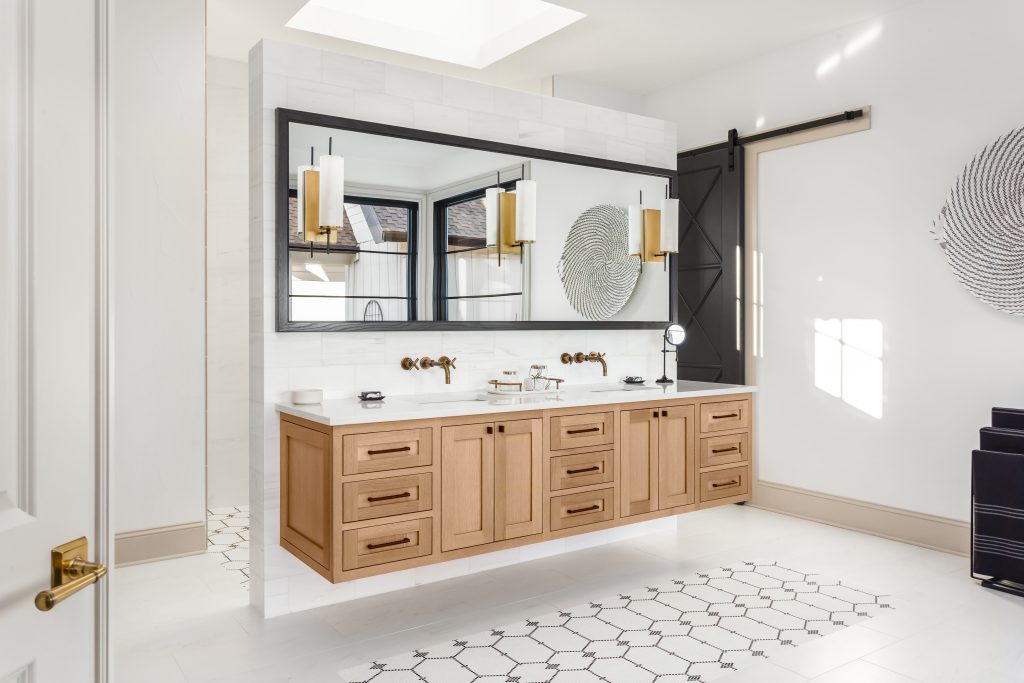
Another common misconception is that swelling only happens near the shower. In reality, the sink area is often the first place cabinet doors start to show damage.
Why? Because water exposure there is constant and casual. Hands drip. Toothbrushes get rinsed. Counters get wiped with wet cloths. Water splashes and runs down the front of the vanity. And the under-sink area can trap humidity, especially if there’s a small leak or slow condensation from cold pipes.
Even a tiny leak, the kind that doesn’t leave puddles, can create enough moisture over time to swell cabinet panels. The cabinet might not look wet. It just slowly changes shape until the door doesn’t close properly anymore.
This is where Remodel View of Nashville sees homeowners get frustrated: they feel like the cabinet “failed early.” But the cabinet often fails exactly where moisture repeatedly touches it.
If you want bathroom cabinets in Nashville, TN that hold up, you need a plan for sink moisture, not just shower steam.
How to Prevent Swelling Before It Starts
The best prevention strategy is simple: reduce moisture exposure and eliminate weak points where moisture can enter.
First, treat ventilation like a habit. Run the fan during showers and keep it running after. A good rule is to let it run long enough that the mirror clears and the room feels normal again. If your fan is weak, upgrading it is often one of the highest-value changes you can make for the longevity of your bathroom cabinets.
Second, keep cabinet surfaces dry in the areas that get constant contact. That means quickly wiping water that drips down vanity doors, especially around handles and edges. It’s a small habit, but it’s the difference between a cabinet that lasts and one that slowly swells.
Third, seal the weak points early. If you already have cabinets and you notice thin paint coverage at seams, touch-up sealing can help. The edges and underside areas are often the most vulnerable. Many people maintain countertop surfaces but forget that the cabinet edges are the real entry points for moisture.
Fourth, be realistic about materials and placement. If a vanity sits right next to a shower without a splash barrier, it will get more moisture than a vanity across the room. If the bathroom is used by multiple people and the shower runs constantly, the humidity load is higher. In those cases, it’s worth choosing construction and finishes that are designed for heavy moisture environments.
This is part of the advice we give at Remodel View of Nashville when clients are choosing bathroom cabinets in Nashville, TN. Not every bathroom needs the same solution, because not every bathroom lives the same way.
What To Do If Your Cabinet Doors Are Already Swelling
If swelling has already started, you still have options, but the right path depends on how far it has progressed.
If the swelling is mild and mainly affecting alignment, sometimes hinge adjustments can help temporarily. Doors can shift slightly as they swell, and tightening or repositioning hinges can buy time. But it’s important to understand: hinge adjustments don’t fix the cause. They just compensate for the change.
If you see bubbling finish, rough edges, or soft spots, that’s a sign moisture has penetrated deeper. At that point, drying the area and fixing any underlying leak or ventilation issue becomes urgent. Without fixing the moisture source, even a repaired door will likely swell again.
In many remodels we handle at Remodel View of Nashville, the smartest solution is to address moisture control and replace the doors or vanity with a better-built system. That doesn’t always mean “expensive.” It means appropriate for the environment.
Homeowners looking for bathroom cabinets in Nashville, TN often ask what to prioritize. Our answer is: prioritize durability at the seams, good finish coverage, and moisture management in the room. A cabinet can only resist what the bathroom allows.

The Bottom Line: Cabinets Don’t Swell Overnight, They Swell by Routine
Bathroom cabinet swelling feels like one of those annoying homeowner surprises. But it’s almost always a story of daily moisture meeting small vulnerabilities.
It happens when steam lingers because ventilation is weak. It happens when water drips down vanity doors day after day. It happens when edges aren’t sealed well enough, or when under-sink humidity sits unnoticed.
The good news is that once you understand why it happens, preventing it becomes practical, not complicated. Better airflow. Faster drying habits. Smarter materials. Attention to edges and seams. These are small things that protect a major investment.
If you’re planning a bathroom upgrade and searching for bathroom cabinets in Nashville, TN, Remodel View of Nashville can help you choose options that fit your style while also surviving the reality of a humid bathroom. Remodel View of Nashville designs with real life in mind, not just showroom lighting, and that approach is exactly what keeps bathroom cabinets from swelling, warping, and aging too soon.
Bathroom cabinets are something you touch every day. They should keep working like they did on day one. And with the right plan, they can.